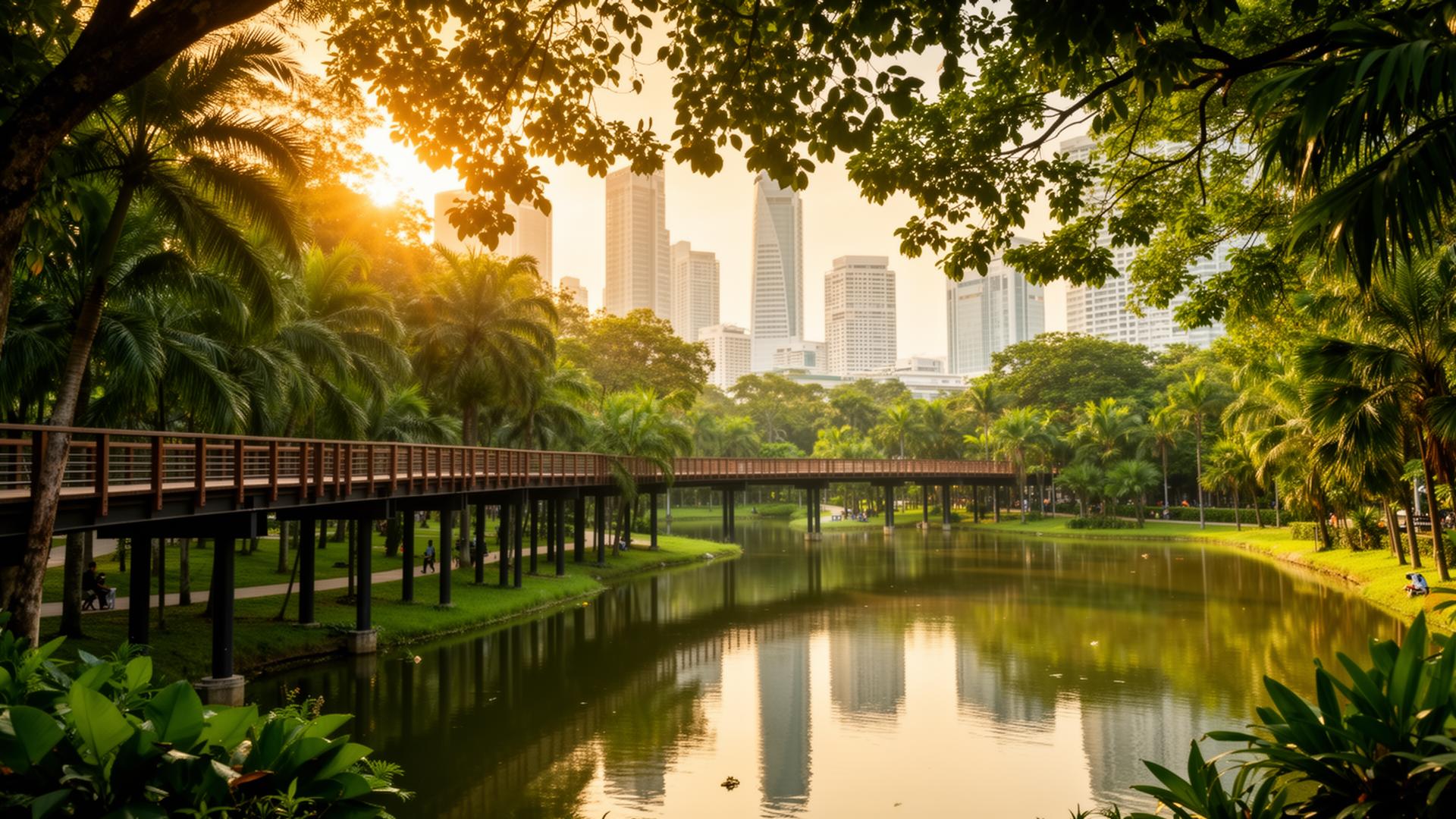
Eco & Sustainable Travel
Zero-waste shops, organic markets, ethical activities & green transport in Bangkok
Sustainable Travel in Bangkok
Thailand has undergone a quiet green revolution over the past decade, and nowhere is this more visible than in Bangkok. Once synonymous with plastic bags at every street stall and styrofoam containers stacked high at food courts, the capital is now at the forefront of Southeast Asia's sustainability movement. The Thai government's ban on single-use plastic bags at major retailers, introduced in 2020, was just the beginning. Today, a growing network of zero-waste shops, organic markets, and eco-conscious businesses is reshaping how both locals and visitors experience the city.
Getting around Bangkok sustainably has never been easier. The BTS Skytrain and MRT subway systems are the backbone of green transport, covering most tourist areas with air-conditioned efficiency while keeping thousands of cars off the road. The BTS alone carries over 800,000 passengers daily, making it one of the most impactful emissions-reduction tools in the city. For shorter distances, the expansion of dedicated cycling lanes — particularly along the Chao Phraya riverfront and through Bang Krachao, Bangkok's famous 'green lung' — has turned pedal power into a genuine commuting and sightseeing option. Electric tuk-tuks and EV ride-hailing options through Grab are also increasingly common, offering a cleaner alternative to the traditional combustion-engine vehicles.
Accommodation choices have evolved dramatically as well. Bangkok now boasts dozens of green-certified hotels, from luxury properties like the Siam Hotel — which maintains an organic garden on its grounds — to budget-friendly eco-hostels in the Khao San Road area that use solar power and rainwater harvesting. Many mid-range hotels have eliminated single-use toiletry bottles in favor of refillable dispensers, and some properties even offer carbon-offset programs where a small portion of your nightly rate goes toward Thai reforestation projects.
For ethically minded travelers, Bangkok also serves as a gateway to responsible wildlife experiences. Rather than supporting elephant riding camps — which animal welfare organizations universally condemn — visitors can arrange day trips to accredited sanctuaries like Elephant Nature Park in Chiang Mai or the closer Wildlife Friends Foundation in Kanchanaburi. These sanctuaries allow elephants to roam freely and focus on rescue and rehabilitation rather than entertainment. Travel agencies in Bangkok that specialize in ethical tourism can arrange everything from transport to overnight stays at these facilities.
The city's food scene is also embracing sustainability. Organic farmers' markets like the Bangkok Farmers' Market at K Village and Or Tor Kor Market offer locally grown produce, reducing the carbon footprint of your meals. Street food vendors are increasingly switching to biodegradable containers, and a new wave of plant-based restaurants caters to environmentally conscious diners. Bangkok even hosts an annual Sustainable Bangkok Festival celebrating green innovation. Whether you are refilling your water bottle at one of the city's growing number of free water stations, shopping with a reusable bag at a weekend market, or choosing a green-certified hotel, every small choice adds up. Sustainable travel in Bangkok is not about sacrifice — it is about discovering the city in a way that respects its communities, its environment, and its future.
Refill Station
Bangkok's pioneering zero-waste shop. Bring your own containers for cleaning products, shampoo, dried goods, and spices. Also stocks bamboo toothbrushes and reusable items.
Patom Organic Living
Farm-to-table organic café and shop by royal-endorsed Patom brand. Beautiful garden setting. Organic Thai dishes, cold-pressed juices, and sustainable products.
Bang Krachao (Green Lung)
A 12km² jungle peninsula 15 min from downtown. Cycle through mangroves, visit the floating market, and explore organic farms. Rent bikes at Sri Nakhon Khuean Khan Park. Called the world's best urban oasis by TIME Magazine.
Chulalongkorn University Centenary Park
Thailand's first urban green infrastructure project. The tilted park collects rainwater to prevent flooding and creates a green corridor in the city center. Free to visit.
Greenery Market
Weekend organic market featuring local farmers, sustainable brands, and eco-friendly products. Great for organic vegetables, artisan foods, and handmade goods.
The Bangkok Tree House
Eco-boutique hotel nestled in Bang Krachao. Solar-powered, organic toiletries, rainwater collection. Sleep in treehouses surrounded by nature just 30 min from Sukhumvit.