Bangkok Dress Code Guide
What to wear — and what NOT to wear — at temples, bars, clubs, and more.
Dressing for Bangkok
Bangkok's tropical climate is the first thing you will feel when you step off the plane — a wall of warm, humid air that immediately tells you cotton and linen are your best friends. With average temperatures hovering between 30°C and 35°C (86–95°F) for most of the year and humidity levels frequently above 70%, dressing in lightweight, breathable fabrics is not just a comfort choice but a survival strategy. Synthetic materials like polyester trap heat and moisture against the skin, making you feel far hotter than the thermometer suggests. Instead, pack loose-fitting clothes in natural fabrics — cotton, linen, and bamboo blends all perform well in Bangkok's relentless heat. Light colors reflect sunlight rather than absorbing it, keeping you marginally cooler as you navigate the city's streets and markets.
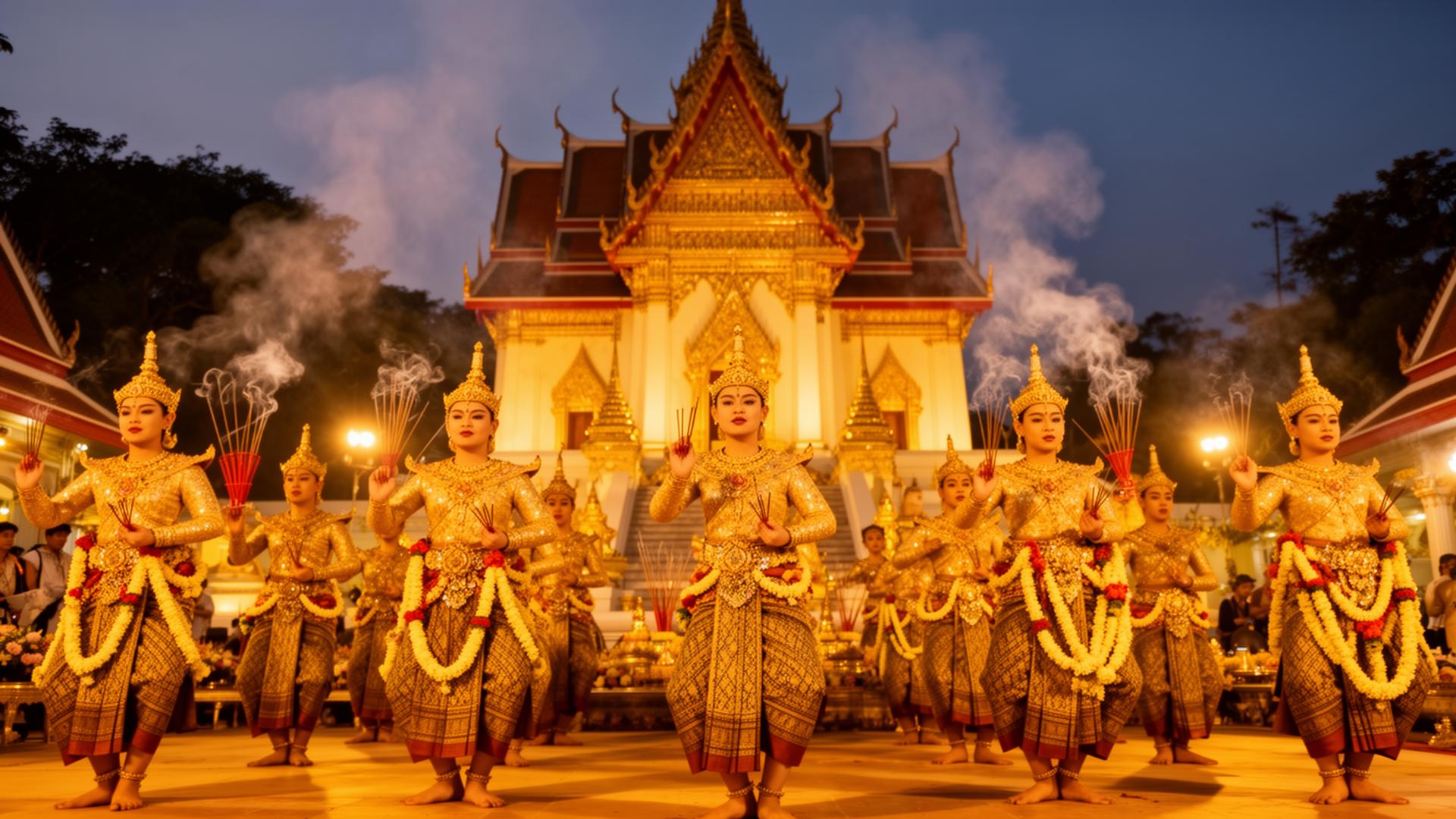
The most important dress code to understand in Bangkok — and the one that catches the most visitors off guard — is the temple dress code. Thailand's Buddhist temples are active places of worship, not tourist attractions, and the Thai people take appropriate attire very seriously. At major temples including Wat Phra Kaew (the Grand Palace), Wat Arun, and Wat Pho, you must cover your knees and shoulders completely. This means no shorts above the knee, no sleeveless tops, no spaghetti straps, and no see-through fabrics. Both men and women are held to the same standard. Some temples provide sarongs or cover-ups for rent or loan at the entrance, but you should not count on this — carrying a lightweight scarf or sarong in your bag is a simple solution that ensures you are never turned away. Shoes must be removed before entering any temple building, so slip-on sandals that are easy to take off and put back on are far more practical than laced-up sneakers.
Bangkok's workplace dress codes tend to be more conservative than many Western visitors expect. Thai office culture values neatness and modesty — even in the sweltering heat, you will see Thai professionals in pressed trousers, collared shirts, and closed-toe shoes. If you have business meetings in Bangkok, err on the side of formality. A long-sleeved shirt with dress pants is standard for men, while women typically wear blouses with knee-length skirts or tailored trousers. Government offices are particularly strict: visitors to immigration offices, for example, may be turned away for wearing shorts or flip-flops. When in doubt, smart casual is always a safe bet in professional settings.
The nightlife scene presents its own sartorial challenges. Bangkok's rooftop bars — legendary spots like Sky Bar at Lebua, Octave at the Marriott, or Vertigo at the Banyan Tree — almost universally enforce a smart-casual dress code. This means no flip-flops, no athletic wear, no tank tops, and no ripped jeans. Closed-toe shoes are typically required for men, and some venues turn away guests in shorts regardless of how premium they look. Nightclubs in areas like Thonglor and RCA similarly enforce dress codes, though they tend to be slightly more lenient — clean sneakers are often acceptable, but sandals and beachwear are not. In contrast, the backpacker bars along Khao San Road have virtually no dress code at all.
One often-overlooked aspect of dressing for Bangkok is the dramatic temperature difference between outdoors and indoors. Shopping malls, BTS stations, restaurants, and cinemas blast their air conditioning to near-arctic levels — it is not unusual for the indoor temperature to be 15–20 degrees cooler than outside. This means you can go from drenched in sweat on the street to shivering in a mall within seconds. The solution is layering: carry a light cardigan, hoodie, or long-sleeved shirt that you can throw on when you step inside. This is especially important for long bus rides, movie theaters, and office buildings where the AC is particularly aggressive.
When packing for Bangkok, think versatile and minimal. A capsule wardrobe of five or six mix-and-match outfits will serve you far better than a stuffed suitcase, especially since Bangkok is one of the best cities in the world for affordable clothing shopping. Pack a couple of pairs of lightweight trousers or long skirts for temples, breathable shorts for casual days, a few cotton or linen tops, one smart-casual outfit for nicer restaurants and rooftop bars, comfortable walking shoes, easy-to-remove sandals, and that essential light layer for air-conditioned interiors. A compact umbrella or light rain jacket is critical during the May-to-October monsoon season. And remember — if you forget anything or realize you need something different, Bangkok's markets and malls mean you are never more than a short BTS ride from a solution.
Temples & Royal Palaces
StrictCover shoulders and knees. No see-through clothing, tank tops, or short shorts. Shoes removed before entering buildings.
- ✓Grand Palace is strictest — long pants/skirt below the knee, sleeves covering shoulders
- ✓Sarongs and cover-ups available for rent (₿100-200) at most temples
- ✓Avoid clothing with Buddha images — it's illegal and deeply offensive
- ✓Socks recommended — temple floors can be burning hot in the afternoon
Rooftop Bars & Sky Lounges
ModerateSmart casual to dressy. No flip-flops, shorts, or sportswear. Closed-toe shoes preferred for men.
Nightclubs & Bars
ModerateVaries widely. Upscale clubs (Levels, Sing Sing) require smart casual. Khao San Road bars accept anything.
Fine Dining Restaurants
ModerateSmart casual minimum. Top restaurants like Gaggan, Nahm, and Le Normandie may require collared shirts for men.
Government Offices & Immigration
StrictCover shoulders and knees. Long pants recommended. Flip-flops may be refused entry at some offices.
Pools, Beaches & Water Parks
RelaxedStandard swimwear. Some hotel pools require swim caps. Thai women often swim in t-shirts — totally acceptable.