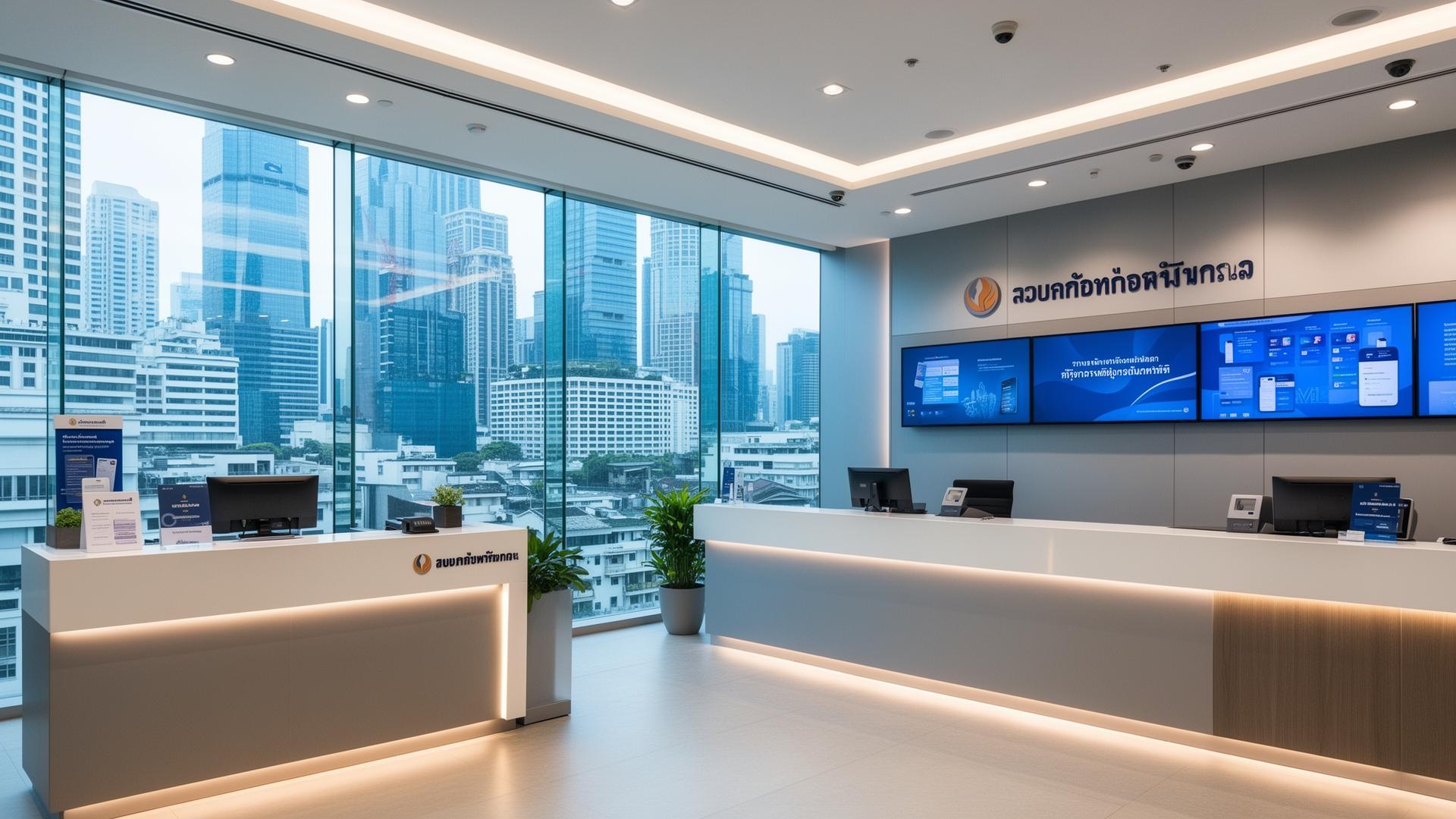
Banking & Finance Guide
Everything foreigners need to know about Thai banking — accounts, transfers, PromptPay, and more.
Banking as a Foreigner in Thailand
Thailand's banking system is surprisingly modern and, in many ways, more advanced than what you'll find in Western countries. The country has leapfrogged traditional payment infrastructure with a nationwide mobile payment network that makes daily transactions seamless. For foreigners living in Bangkok — whether on a work permit, retirement visa, or long-term tourist visa — understanding how Thai banking works is essential to making life here run smoothly.
So why do you need a Thai bank account? The short answer: daily life demands it. Landlords overwhelmingly prefer rent paid by bank transfer. Utility companies — electricity from MEA or PEA, water from MWA — expect payments through Thai banking channels. If you hire a maid or a driver, they'll want payment to their Thai account. Even many online purchases through Shopee and Lazada offer significant discounts for bank transfer or PromptPay payments versus credit card. Without a local account, you'll find yourself paying steep ATM withdrawal fees (typically 220 baht per transaction from foreign cards) and missing out on the convenience that makes Bangkok life so efficient.
The mobile banking revolution in Thailand is nothing short of remarkable. PromptPay, launched in 2017, allows instant transfers between bank accounts using just a phone number or national ID. Virtually every street vendor, taxi driver, and small business in Bangkok now displays a QR code for PromptPay payments. You scan the code with your banking app, confirm the amount, and the money transfers instantly — no cash needed, no fees charged. This system has transformed Thailand into one of the most cashless societies in Southeast Asia. Most Thai banking apps also support bill payments, credit card management, investment products, and even insurance purchases, all from your phone.
When it comes to choosing a bank, not all Thai banks are equally welcoming to foreigners. Bangkok Bank has long been considered the most foreigner-friendly, with English-speaking staff at major branches and a relatively straightforward account-opening process. Kasikorn Bank (KBank) is beloved for its excellent mobile app and green-branded ATMs found on virtually every street corner. SCB (Siam Commercial Bank) offers strong digital services and a sleek app. Krungthai Bank is the government bank, often required for certain visa-related transactions. Each bank has its own requirements for foreigners — most will want to see your passport, a valid visa, a work permit (if applicable), and proof of address such as a rental agreement or utility bill.
One important note: the ease of opening an account varies significantly by branch, even within the same bank. A branch in a tourist area like Sukhumvit or Silom will have more experience dealing with foreign customers and is far more likely to open an account for you on the spot. Avoid going to small suburban branches where staff may be unsure of the process and simply turn you away. Bring all your documents, dress neatly, arrive early in the morning on a weekday, and be patient — Thai banking involves a fair amount of paperwork. Below you'll find details on each major Thai bank and practical tips for navigating the banking system as a foreigner.
Thai Banks
Bangkok Bank
Most foreigner-friendly with excellent English support.
Kasikorn Bank (KBank)
Thailand's most popular bank with the best mobile app.
SCB (Siam Commercial)
Thailand's oldest bank with strong international transfers.
Krungthai Bank
State-owned bank for government transactions.
Banking Tips
Sources & official references
- Bank of Thailand — Official central bank; FX rules, deposit insurance
- Kasikornbank (K-Bank) — Major Thai bank — foreigner account requirements
- Bangkok Bank — Strong international remittance network
- Siam Commercial Bank (SCB) — Easy mobile banking for expats
- Wise — sending to Thailand — Low-fee international THB transfers
Bangkok Knowledge Editorial
Verified teamA team of long-term Bangkok residents and travel writers — expats, journalists, and local Thai contributors — who fact-check every guide against on-the-ground experience and official sources.
Last updated: 2026-06